Friday, 26 October 2018

Hyundai ix35 wins ‘Best Crossover’ in BusinessCar Awards

The stylish and desirable used Hyundai ix35 for sale won the prestigious “Best Crossover” at the BusinessCar Awards 2015.

The voters praised the Hyundai ix35 for its versatility, design and build quality and value for money.
BusinessCar Editor, Paul Barker commented “The Hyundai ix35 illustrates the great leaps Hyundai has made in terms of product appeal, quality, value and design, and shows that the brand is now a mainstream choice”
A delighted Martin Wilson, Fleet Director for Hyundai Motor UK said: “The ix35 has been a multiple award-winning star car for us, and has proved to be a vital part of our modern, capable range that has revolutionised our fleet customer perception in the UK.
The Hyundai ix35 was launched in 2010 and since then has received a whole host of awards including the highly desirable “Car of the Year” 2013 from Honest John.
Wilson continued “This latest award is all the more valuable to us as it comes direct from people who know which cars can cope with being pushed to their limits, and yet still be attractive financially to companies and the end user.”
The Hyundai ix35 is available at Group 1 Hyundai dealership.

Thursday, 30 August 2018

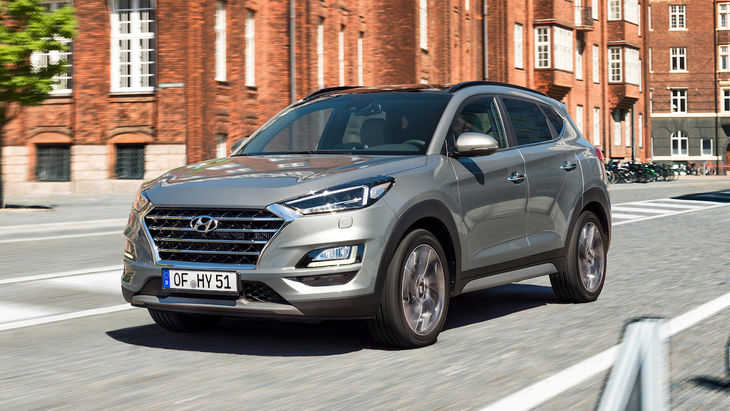
Hyundai Tucscon Facelifted for 2019


Hyundai Automotive South Africa will launch a facelifted version of its popular Tucson family car in August or September 2018, with a revised line-up likely to comprise only front-wheel-drive derivatives, 2 petrol engines and a solitary turbodiesel.

When Hyundai announced a relatively minor update to its Tucson earlier this year, it highlighted the introduction of a 48-volt turbodiesel mild-hybrid powertrain. Coupled with a 137 kW 2.0-litre diesel engine, the technology comprises a 48-volt lithium-ion battery, mild hybrid starter generator and inverter. An electric boost of up to 12 kW is provided by the system and the battery is recharged via braking and in-gear deceleration.  
However, although the mild-hybrid technology is certainly headline-grabbing for a product in the compact SUV/crossover/family car segment, it's not of consequence to the South African market, where the 1.6-litre turbopetrol, 2.0-litre naturally aspirated petrol and 2.0-litre turbodiesel 4-cylinder engines will continue. You may have noticed, however, that the 1.7-litre turbodiesel will fall away when the updated Tucson makes its debut.

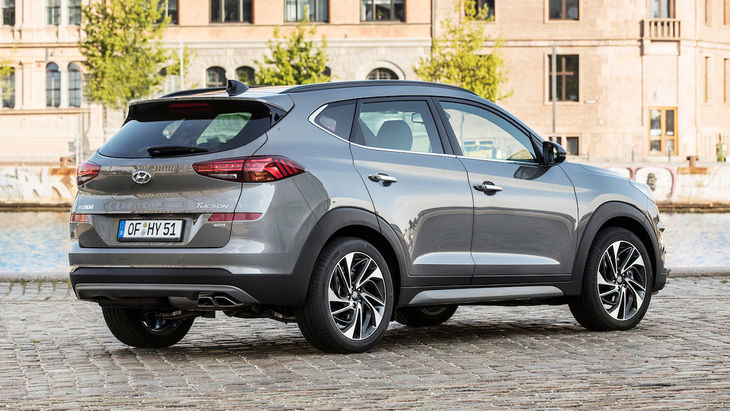
The cosmetic updates lend the Tucson a decidedly sportier look, especially by virtue of the reprofiled rear bumper.


For the new range, which will debut around the same time as the updated Creta, Hyundai Automotive SA will source stock from Korea, not Europe (as is currently the case) and slow-selling derivatives, such as the 1.7-litre diesel, all-wheel-drives and all manual versions, apart from the entry-level 2.0 litre, will be discontinued. That means that the line-up will consist mainly of 1.6-litre (dual-clutch) and 2.0-litre (torque-converter) automatics.  
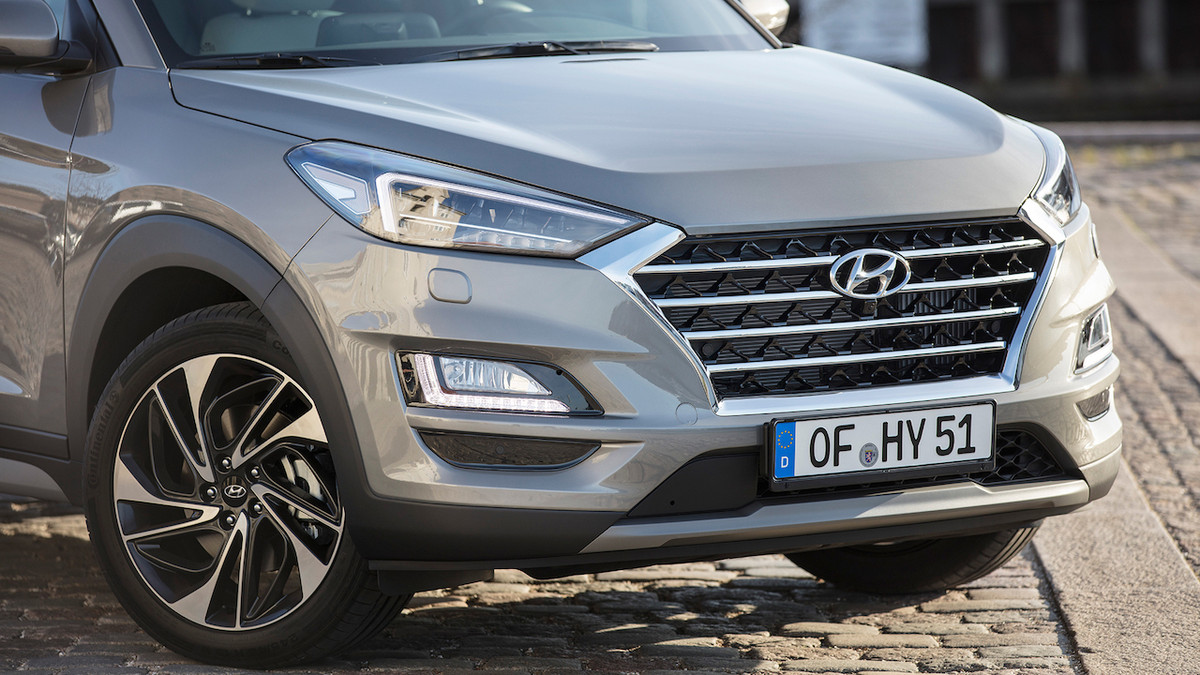
Aesthetically, the new updated Hyundai Tucson features a new-look front and rear bumpers. What's more, there are full LED lights (to be confirmed for our market), a new-look grille and intakes and restyled LED daytime running lights. A fresh selection of 17-,18- and 19-inch wheels is also available.
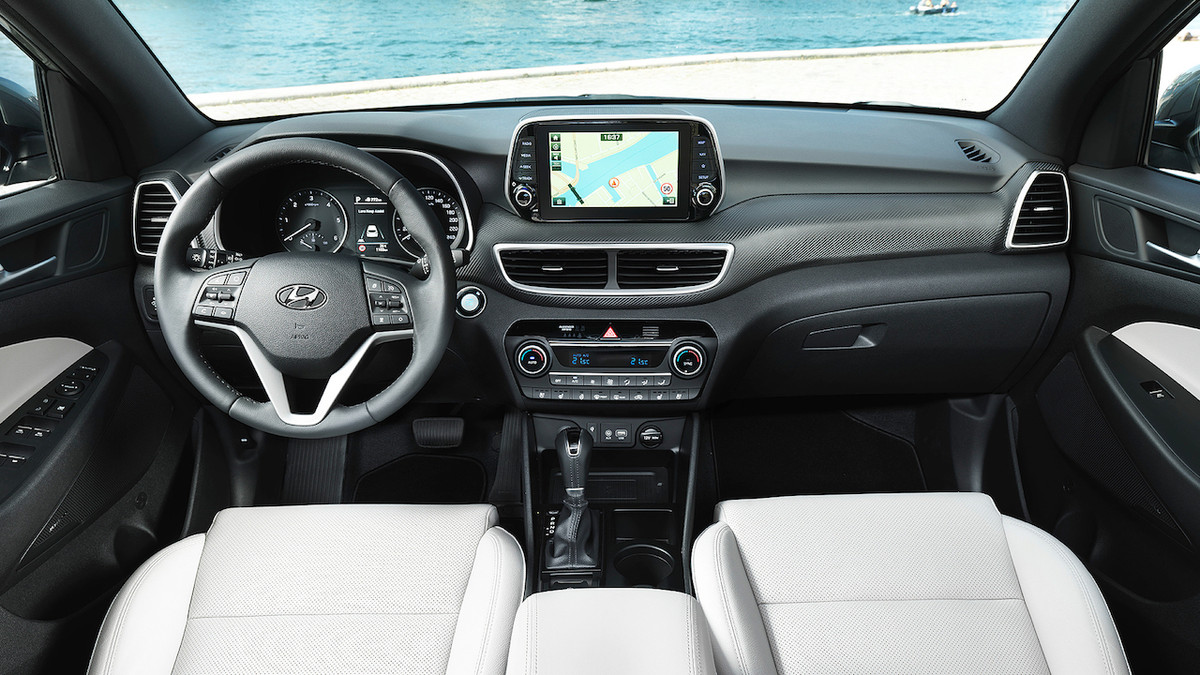
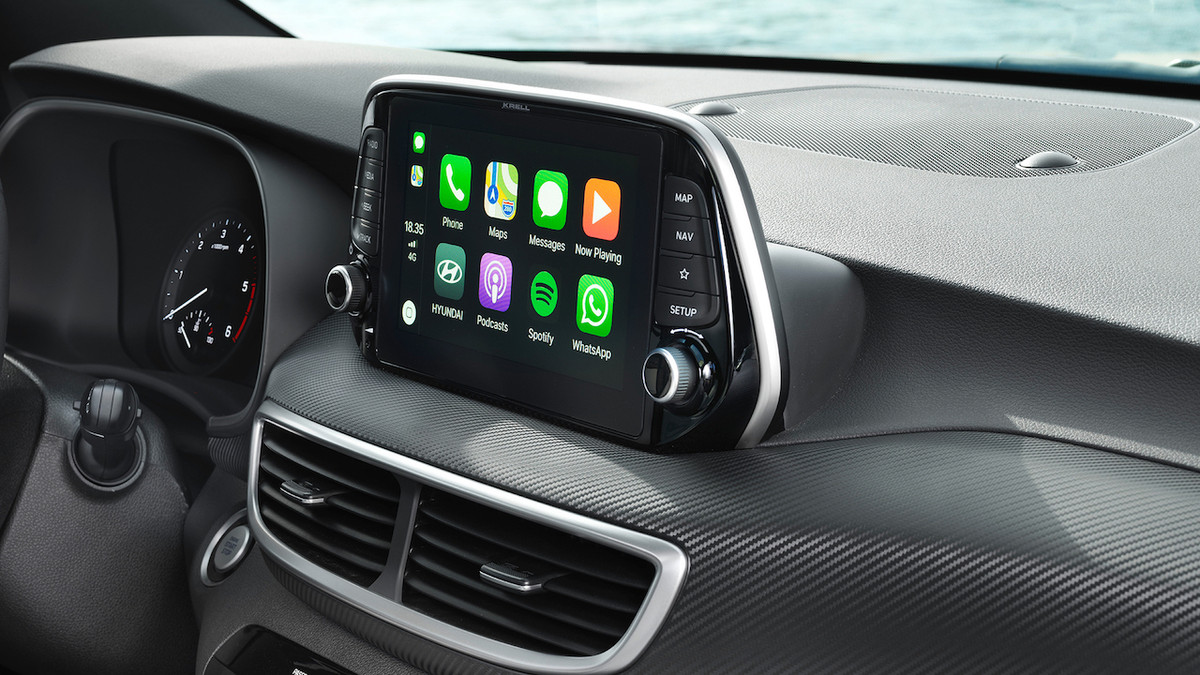
Inside, the newcomer features a new dashboard design, redesigned instrument cluster and rear-view mirror. The infotainment system has been overhauled and replaced by a 7-inch floating display. As local derivatives currently feature an integrated colour touchscreen (with optional navigation) sourced from a local supplier, it remains to be seen what infotainment solution the importer will find for its updated family car.
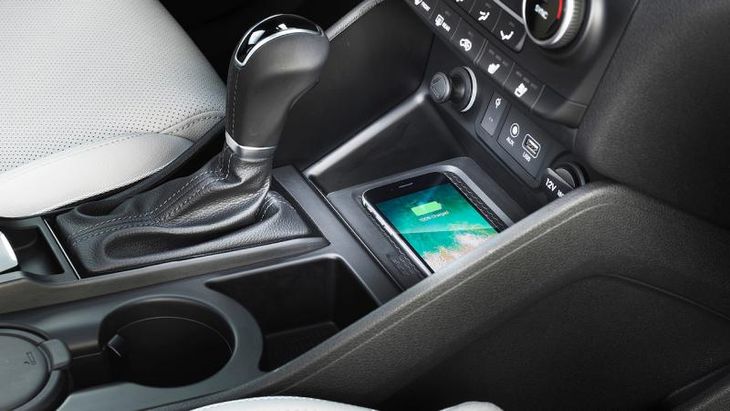
Meanwhile, we expect that specification levels will be comparable to those of the current range, although there will be minor updates, such as a USB port for the second row of seats and, perhaps, a wireless charging pad up front, which already features in the Hyundai's Kia Sportage cousin.
The popular Sport versions of the Executive- and Elite-spec 1.6-litre turbopetrol Tucson, which feature purposeful cosmetic (plus minor powertrain) updates that Hyundai Automotive SA commissions from suppliers right here in South Africa, will be offered again, probably only in automatic guise.
A wireless charging pad makes its debut in the facelifted Hyundai Tucson


Article source: https://www.cars.co.za/motoring_news/hyundai-tucscon-facelifted-for-2019/45140/

Wednesday, 20 June 2018

Everything You Need to Know About The New Hyundai i30


The Hyundai i30 has been a popular car amongst leasers since its introduction, and Hyundai have high hopes for the new generation i30 when it becomes available early in 2017.


Taking on board customer attitudes to technology driven solutions, it is an individual car in both style and flexibility, as Vice President of Marketing at Hyundai Motor Europe, Jochen Sengpiehl, says: “We have listened closely to customer needs in redefining our offer to create a car for everyone. It’s the new people’s car: Accessible, appealing in design and great to drive. With up-to-date infotainment and connectivity features we offer everything today’s digital natives and modern customers expect.”
With an appealing design, high build quality, an efficient and dynamic ride and a state-of-the-art safety package with more active safety features than any other Hyundai vehicle, the used Hyundai i30 is a car for all types of drivers.
“To create a car for everyone, we focused on a wide range of different people,” explains Peter Schreyer, President and Chief Design Officer of Hyundai Motor Group. “So the design is an evolution of Hyundai Motor’s design language with natural flowing lines, refined surfaces and a sculpted body to create a timeless appearance.”
New Hyundai i30 Side View

A Family of Cars

The New Generation i30 isn't just a one-off; rather it is the start of something big at Hyundai with plans to produce "a family of unique products united by a timeless and balanced design perfectly harmonised and coherent for every body type," with the i30 family featuring the first high performance model under Hyundai Motor’s N brand.
Hyundai Motor entered the European market a mere 25 years ago, but has built itself up now to selling in 31 countries, with the second-generation i30 the biggest seller; so there is a lot of expectation around the new model.

Design

Outside, the New Generation i30 features natural flowing lines, refined surfaces and a sculpted body, and now boasts a Cascading Grille, part of the new family identity for Hyundai models in the future.
The front is confident and expressive, creating a recognisable presence on the road, enhanced by the three-projector full LED (low and high beam) headlamps, LED vertical daytime running lights with indicator function, and fog lamps integrated into the air curtains.
New Hyundai i30 Rear View


The overall impression that the new i30 gives is dynamic and compact, with the long bonnet adding to the sleekness of its character as lines flow effortlessly from front to back where they connect with LED rear lamps and further wraps, a slightly sloping roofline and the black rear. And the design means that the aerodynamics are improved to a Coefficient of Drag of only 0.30, helped by other features such as an Active Air Flap in front which also optimises the car's cooling.
Available with 17" two tone 10-spoke alloy wheels, 16"two-tone 10-spoke alloy wheels or 15" steel and alloy wheels, the new Generation Hyundai i30 also comes in a choice of three pearl colour choices, - Stargazing Blue, Micron Gray, and Phantom Black - seven metallic choices, - Demitasse Brown, Intense Copper, Moon Rock, Fiery Red, Platinum Sliver, Ara Blue and White Sand - plus two solid choices - Engine Red and Polar White - depending on specification.
Inside, a clutter-free horizontal layout conveys an impression of elegance and a feeling of roominess.
New Hyundai i30 Connectivity


There is an optional 8" navigation touch screen on the dashboard that integrates all navigation, media and connectivity features and a new multifunction three-spoke steering wheel with ergonomically positioned operation controls that  allows easy and intuitive operation of all functions.
And that roomy feeling becomes reality with the amount of space available for passengers and luggage alike with no compromise made between the interior roominess and sporty exterior design.
There is even an optional panoramic glass sunroof that tilts or slides open to make it look even roomier.
And, to enable customers to carry everything they need, the New Generation i30 offers generous luggage capacity of up to 395 litres (VDA 211) with a practical two-stage luggage board and a ski hatch in the rear centre seat.
When it comes to the look, there is a choice of three colour options: Oceanids black with two different cloth seat options or black leather seats, a two tone combination of Slate Grey and Oceanids black with cloth or leather seats featuring diamond pattern or the two tone combination of elegant Indigo Blue and Oceanids Black with leather seats.

Driving Performance

The driving performance of the used Hyundai  i30 for sale is led by the powertrains under the bonnet, featuring a range of three turbo charged petrol and one diesel engine, all packed and ready to deliver a dynamic and efficient driving experience.
New Hyundai i30 Interior


There are three petrol engines are made up of: the new 1.4 T-GDI turbocharged four cylinder engine with 140 PS and 242Nm of torque, the 1.0 T-GDI turbocharged three cylinder engine with 120 PS and 170Nm or the 1.4 MPI four cylinder with 100 PS.
And the diesel engine available is the 1.6-litre turbocharged four-cylinder diesel engine, available with three power outputs: 95, 110 and 133 PS, with a maximum torque 275Nm.
CO2 emissions start from as low as 89g CO2/km (target values).
And the engines are available with either the six-speed manual transmission (6MT) or Hyundai’s efficient and direct-responding seven-speed dual-clutch transmission (7DCT) (which combines the benefits of automated and manual transmissions.)
Having been tested on the famous Nürburgring Nordschleife, the most demanding race track in the world, as well as in all sorts of weather conditions from winter in Sweden and trailer testing in the Alps, to hot weather testing in the south of Spain.
With precise, natural and connected steering, and agile, responsive and predictable handling as standard on the New Generation i30, a dynamic ride without compromising comfort and good body control is assured, helped by a completely reworked chassis and increased brake diameter size.
53% of the body is made up Advanced High-Strength Steel, created by Hyundai Motor for its own vehicle production, and reduces the overall weight by 28kg whilst increasing rigidity by 22% in comparison to the previous i30.

Connnectivity and Safety

It is now an essential part of a car these days that smart connectivity features are a must when it comes to those internal touches that a driver wants (and sometimes even needs.)
These include:
  • A choice between the standard premium audio system with a 5" capacitive LCD touch screen with integrated dynamic rear-view camera, Bluetooth connectivity and My Music functionality and the optional new generation navigation system with an 8" capacitive touch screen
  • Apple CarPlay and Android Auto
  • A wireless inductive charging pad (Qi standard) for mobile phones
  • A USB port located in the closed centre console
  • A navigation system comes with a seven-year free subscription to TomTom LIVE services
  • Autonomous Emergency Braking with Front Collision Warning System
  • Smart Cruise Control
  • Blind Spot Detection
  • Rear Cross Traffic Alert
  • Lane Keeping Assist System
  • Speed Limit Information Function
  • High Beam Assist
  • Driver Attention Alert
And to add to safety, the interior of the New Generation i30 contains a total of seven airbags; 2 front airbags, two side airbags, curtain airbags from first to second row and a knee airbag for the driver.

Hyundai Elantra Named ‘Best New Car For Teens’

Hyundai Elantra Named ‘Best New Car For Teens’

2017 hyundai elantra best new car teens planet

2017 Hyundai Elantra near Denver CO

Picking out a vehicle for your teenager is a big decision. Your teenager is probably more excited than you are about picking out his or her first vehicle. While there are many factors to consider when finding the perfect vehicle, the most obvious concern is safety. Did you know that according to the Center for Disease Control and Prevent, injuries related to automobile accidents kill six teenagers between the ages of 16 and 19 every day? While there is no perfect vehicle for all teenagers, U.S. News and World Report recently released their list of ‘Best New Cars For Teens,’ and it includes some great vehicles that feature high safety ratings, driver assistance technology, and overall quality. Read more about why the 2017 Hyundai Elantra was chosen for this exclusive list.
hyundai elantra gt planet denver golden

2017 Hyundai Elantra named ‘Best New Car For Teens’ by U.S. News & World Report

The award-winning 2017 Hyundai Elantra offers six trim levels, each with their own set of unique standard and available features. The higher trim levels of the used Hyundai Elantra offer the most safety technology, including Blind Spot Detection with Rear Cross-Traffic Alert and Lane Change Assist, Automatic Emergency Braking with Pedestrian Detection, Lane Keep Assist and Smart Cruise Control.
“At Hyundai, we pride ourselves on providing our customers with ‘better’ and the Elantra does just that with advanced safety technologies as well as Blue Link, which features technologies that allow parents to monitor their new drivers,” says Scott Margason, director, Hyundai Motor America. “We are happy to have secured a spot on this list by the reputable U.S. News & World Report by delivering the best combination of reliability, crash protection, and accident avoidance features.”
The used Hyundai Elantra for sale performed extremely well in crash tests and boasts the Top Safety Pick+ honor from the IIHS.
With Blue Link Connected Care, Hyundai owners are provided with Automatic Collision Notification, SOS Emergency Assistance, Enhanced Roadside Assistance, Monthly Vehicle Health Reports, and Maintenance. With the Blue Link app (Blue Link Vehicle Safeguards Alerts App), parents are able to monitor and limit the Elantra’s speed, hours of operation and general movement. This app will help parents monitor and keep their teenagers safe.


Friday, 18 May 2018

Hyundai unveils 2017 i30 ahead of Paris debut

The 2017 Hyundai i30 for sale has been unveiled - a 5-door hatchback, ahead of its debut at this year’s Paris Motor Show. It comes with a refreshed exterior and interior as well as a new turbocharged gasoline engine.    
The Korean automaker describes the exterior of the i30 as “confident and expressive.” Up front, it is fitted with sweptback LED headlights, LED vertical daytime running lights, a large bumper, and the brand’s ‘Cascading’ grille. The said grille design is also integrated to the 2017 i10 which will debut alongside the i30 at the upcoming Paris Motor Show.
Turning at the side, the i30 has a straight character line and a sloping roofline. The rear, on the other hand, has wraparound LED taillights, a prominent bumper, a black spoiler, and a shark fin antenna.
The interior of the i30 has a straightforward design with a horizontal layout. It has a new 3-spoke steering wheel, a 5-inch LCD touchscreen with integrated rear-view camera, Bluetooth connectivity, and My Music functionality. The i30 is also available with an 8-inch navigation touchscreen. In addition, the vehicle supports both Apple CarPlay and Android Auto which enable users to connect their devices to control music, telephone, and navigation system. Of note, the i30 offers 395L of cargo space which can come in handy for carrying grocery items or travel bags.
Safety-wise, the i30 features Driver Attention Alert, a system which keeps an eye out for sudden lane changes. It warns the driver through sound and visual cues on the instrument cluster. Aside from this, the i30 also has Smart Cruise Control, Blind Spot Detector, among others.
Under the hood, the i30 is powered by a choice of 3 gasoline engines. The first of which is the turbocharged 1.4L inline 4-cylinder that generates 138 hp and 242 Nm of torque. There’s also a naturally aspirated 1.4L gasoline engine which puts out 98 hp and 134 Nm. The third gasoline engine comes in a form of a turbocharged 1.0L inline 3-cylinder that delivers 118 hp and 170 Nm.
Aside from the gasoline engines, the 2017 i30 can also be powered by a 1.6L diesel engine that produces 3 power outputs: 93 hp/280 Nm, 110 hp/280 Nm, and 136 hp/300 Nm. Transmission options include either a 6-speed manual or a 7-speed dual-clutch automatic.
For more information about Hyundai and its vehicles, visit the AutoDeal Car Guide.

Friday, 23 February 2018

5 reasons we want the all-new Hyundai Accent to arrive in 2018


Hyundai Asia Resources Inc., please bring in the all-new Accent this year. There, we said it. Frankly, we've been hoping the latest iteration of the popular Korean subcompact would arrive since it was revealed early in 2017. It's almost a year later, and we're still crossing our fingers. So hopefully, someone from the company reads this.


Alright, chances are a handful of motoring journalists drooling over the car isn't going to get it here any faster. So let's count the reasons why the entire market should make some noise, too:


1) The last one's beginning to show its age. It's not an ugly car, but we have to say the competition has stepped things up design-wise since the current-generation Hyundia Accent came out. Fortunately, if you've come across photos of the all-new Accent online, you can tell it has the looks to stand wheel to wheel with the new batch.
2) The same goes for the interior. The new one's cabin just looks like a massive step up from the previous one. Admittedly, it looks like there'll be plenty of plastic, but looks more modern while retaining good tactile feel, practicality and pleasing ergonomics.
3) It supposedly has better NVH levels. Quietness and the ability to keep passengers comfortable throughout rides is something any Filipino motorist can appreciate. The all-new Accent features a more rigid chassis (32% more, to be exact) and an upgraded suspension, so that's two boxes checked right there.
4) There's more room inside. This all-new Hyundai is 15mm longer, 29mm wider and runs on a 10mm longer wheelbase, providing it with better interior space and more storage space in the back. There are 60:40 folding seats in the rear for added convenience as well.
5) We want more of that good old diesel-powered daily drivability. Great diesel-powered sedans aren’t aplenty here in our market, and the current-gen Accent is one of the few that impress. Let's hope Hyundai decides to continue the tradition. Fingers crossed, guys.


Article source: https://www.topgear.com.ph/features/feature-articles/all-new-hyundai-accent-arrive-2018-a00013-20180119

Wednesday, 17 January 2018

Pros and Cons of Buying a Used Car from a Private Party Seller


When buying a used vehicle, most consumers choose to purchase from a dealership or a private party seller. A private party seller is an individual just like you, someone who owns a vehicle that they need to sell, and who is likely selling the vehicle themselves in order to extract maximum value for it.


There are several pros and cons of buying a used car from a private party seller. In the sections that follow, this article discusses the most significant of them.


Pro: Private Party Vehicles Cost Less
Conventional wisdom says that there are three values for a used vehicle: Trade-in, private party, and retail. In recent years, a new value has emerged at the top of the scale to cover certified pre-owned (CPO) vehicles. Of the four value ranges, the private party value is on the lower end of the scale.


Used vehicles sold by dealers cost more than used vehicles sold by private parties. That's because the dealer must cover the costs of reconditioning the vehicle, of advertising the vehicle, and of paying a salesperson a commission. Additionally, the dealer shoulders the administrative costs related to the purchase of the vehicle from the previous owner and related to the sale of the vehicle to the new owner.


A private party seller need not worry about this profit-killing overhead. Additionally, a private party seller is usually more eager to sell the vehicle as soon as is possible, and is typically more flexible on price during negotiation.


Pro: Clean, Well-Maintained Vehicles
Not all private party vehicles are in good condition. Some are even salvage vehicles, which means they've been repaired after a wreck, flood, or theft. This is why it is always smart to obtain an official vehicle history report for any used vehicle you're planning to purchase.


That said, a private party seller who has taken great care of a vehicle and who has all of the maintenance and service records for the vehicle is likely to try to sell it on their own. Owners who take such pride in their vehicle are less inclined to accept a dealer's trade-in offer, believing the car is worth hundreds, or thousands, of dollars more if they sell it themselves.


As a used-vehicle buyer, this is a benefit. The seller is likely interested primarily in receiving more money for the vehicle than the dealer offered them as a trade-in, while the buyer is able to purchase a clean, well-maintained used car at a big discount compared to what the same vehicle might sell for at a used car dealer.


Pro: No Games
Generally, private party sellers are in a hurry to sell their old vehicle, and if you demonstrate that you are a serious buyer, they are more likely to want to get the transaction completed quickly and with you. This is particularly true of owners who are selling popular models in popular colors because they have more market competition than people who are selling more rare models. This eagerness means private party sellers are less likely to play games with serious buyers, making it easier to negotiate, agree on terms, and get the transaction completed.


Con: Multiple Meetings with Strangers
Buying a used vehicle from a private party seller requires meetings with strangers to test-drive the vehicle, have the vehicle inspected, and to complete the transaction for the vehicle. The majority of the time, this is not a concern. Nevertheless, it is wise to always arrange meetings in busy public places, rather than at the seller's home, at your home, or in a secluded area.


Con: No Warranty or Guarantee
Used car dealers must abide by Federal Trade Commission rules as well as state regulations governing how they operate and sell vehicles. Additionally, dealers often "certify" their used vehicles, frequently provide short-term warranties, and sometimes offer a money-back guarantee. As a result, dealers generally sell only those used vehicles that are in good condition.


Used vehicles sold by private party sellers come with no warranty or guarantee of any kind, and are not certified in any way. When purchasing a used vehicle from a private party seller, the buyer must perform due diligence in the form of obtaining vehicle history reports, paying for professional inspections, and conducting a thorough test drive in order to make sure they're not making a purchase they may soon regret.


Con: Details, Details, Details
Buy a used vehicle, such as the used Hyundai ix35 for sale, from a dealer, and the dealer takes care of all the paperwork associated with the transfer of ownership, can help arrange financing if necessary, and can even buy your old car as a trade-in. Buy a used vehicle from a private party seller, and those details are the buyer's responsibility. You will also need to sell your old vehicle yourself, making you the private party seller in this scenario.

Article source: http://www.jdpower.com/cars/articles/used-cars/pros-and-cons-buying-used-car-private-party-seller

Monday, 8 January 2018

2017 Hyundai Tucson: New Car Review


In the 2017 Hyundai Tucson, you'll find a very stylish compact SUV with a choice of two fuel-efficient engines, available all-wheel drive and a long list of features to meet just about any need. Although newer rivals like the Honda CR-V and Mazda CX-5 offer a bit more in terms of fuel economy, ride and handling, the Tucson can tout its available turbocharged engine, excellent resale values and impressive standard 10-year/100,000-mile powertrain warranty. Yet while the Tucson has proven itself worthy on paved roads, it can't really tackle off-road obstacles in the same manner as the Jeep Cherokee Trailhawk or Subaru Forester, something to consider if you do a lot of outdoor activities.

What's New for 2017?

For 2017, the Limited trim gains Apple CarPlay and Android Auto, plus a 315-watt Infinity sound system. Sport and Eco trims receive rear-seat air vents, and the YES Essentials stain-resistant fabric is expanded to cover all interior colors.

What We Like

Lots of features; a wide range of standard and optional safety equipment; a smooth ride; stylish interior and exterior

What We Don't

Pricing a bit high compared to rivals; rather dull driving experience; desirable features like Apple CarPlay and navigation reserved for the most expensive trim

How Much?

$23,595-$35,000

Fuel Economy

The Tucson offers two power plants. Base-level SE models use a 164-horsepower 2.0-liter 4-cylinder engine, which comes with a 6-speed automatic transmission and front- or all-wheel drive. Front-wheel-drive models return 23 miles per gallon in the city and 30 mpg on the highway, while opting for all-wheel drive (AWD) drops gas mileage numbers to 21 mpg city/26 mpg hwy.
All other Tucson trim levels are powered by a new 175-hp 1.6-liter turbocharged 4-cylinder, which is mated to an impressively smooth 7-speed dual-clutch automatic transmission. Fuel economy with this engine tops out at 25 mpg city/30 mpg hwy with front-wheel drive, 24 mpg city/28 mpg hwy with AWD or, if you opt for the fuel-saving Tucson Eco, 26 mpg city/32 mpg hwy with front-wheel drive and 25 mpg city/30 mpg hwy with AWD.

Standard Features & Options

The Tucson is offered in four trim levels: the base-level SE, fuel-saving Eco, midlevel Sport and upscale Limited.
The Tucson SE ($23,595, FWD) ($24,995, AWD) is fairly basic, though it includes a few useful convenience features. Standard equipment includes a backup camera, YES Essentials stain-resistant fabric seat covers, air conditioning, 17-in alloy wheels, a tilt-telescopic steering column, Bluetooth, SiriusXM radio and a USB port for an iPod -- all items that are also included in most of the car's rivals. The SE also comes standard with the Tucson's mediocre base-level 2.0-liter engine.
The fuel-saving Eco ($25,045, FWD) ($26,445, AWD) only adds a few extras, such as a chrome dual exhaust, rear-seat air vents, Drive Mode Select, and a power driver's seat with power lumbar support and turn signals built into the side mirrors. Its main benefit is the addition of the Tucson's 1.6-liter turbocharged 4-cylinder engine and 7-speed dual-clutch automatic, along with a few extra fuel-saving modifications to improve gas mileage.
Up next is the midlevel Tucson Sport ($26,795, FWD) ($28,195, AWD), which adds 19-in alloy wheels, a blind spot monitoring system with rear cross-traffic alert, lane-change assist, heated front seats, a leather-wrapped steering wheel, a hands-free power lift gate and a proximity key with push-button start.
Topping the range is the high-end Tucson Limited ($30,670, FWD) ($32,070, AWD), which boasts an 8-in touchscreen with navigation, 315-watt Infinity audio with Apple CarPlay and Android Auto, leather upholstery, a power passenger seat, LED headlights, automatic headlights, dual-zone automatic climate control, auto-dimming mirrors and Hyundai's Blue Link telematics system.
As for options, the Tucson has two major optional packages. The base-level SE can be equipped with the Popular Equipment package ($750), which adds a power driver's seat, LED running lights, illuminated vanity mirrors and a glove-box light.
Meanwhile, the upscale Tucson Limited can add an even more luxurious Ultimate package ($2,750) that touts an LCD gauge cluster, ventilated front seats, heated rear seats, a panoramic sunroof, rear parking sensors, lane-departure warning, an automatic braking system and adaptive xenon headlights.

Safety

The 2017 Hyundai Tucson offers virtually every modern high-tech safety feature you might expect from a car in this class. Standard features include side-curtain airbags, a backup camera and anti-lock brakes, while options include lane-departure warning, a blind spot monitoring system and a forward-collision prevention system with automatic braking.
In crash tests, the National Highway Traffic Safety Administration gives the 2017 Tucson its highest rating of 5 stars overall, with 5 stars in the front- and side-impact tests and 4 stars in the rollover test. The independent Insurance Institute for Highway Safety (IIHS) gives the Tucson its highest rating of Good in all crash tests and Superior in the crash avoidance and mitigation test, earning the model a Top Safety Pick award.

Behind the Wheel

On the road, the Tucson is something of a mixed bag, though we suspect most crossover shoppers will appreciate the majority of what it has to offer. The Tucson touts a comfortable ride, predictable handling and, if you opt for the 1.6-liter turbocharged engine (as most drivers will), a tremendously smooth engine-and-transmission combination. In all, we think the used Hyundai Tucson offers one of the most pleasurable, supple rides in the compact-crossover segment.
Where the "mixed bag" remark comes in is for drivers who enjoy spending time behind the wheel. The Tucson isn't especially fun to drive, as acceleration is mediocre with either engine, and steering -- while suitable for the Tucson -- isn't exactly exciting. So while we think most drivers will appreciate the Tucson for its comfortable, smooth ride, those looking to have fun will probably want to consider another model with more power and improved handling.

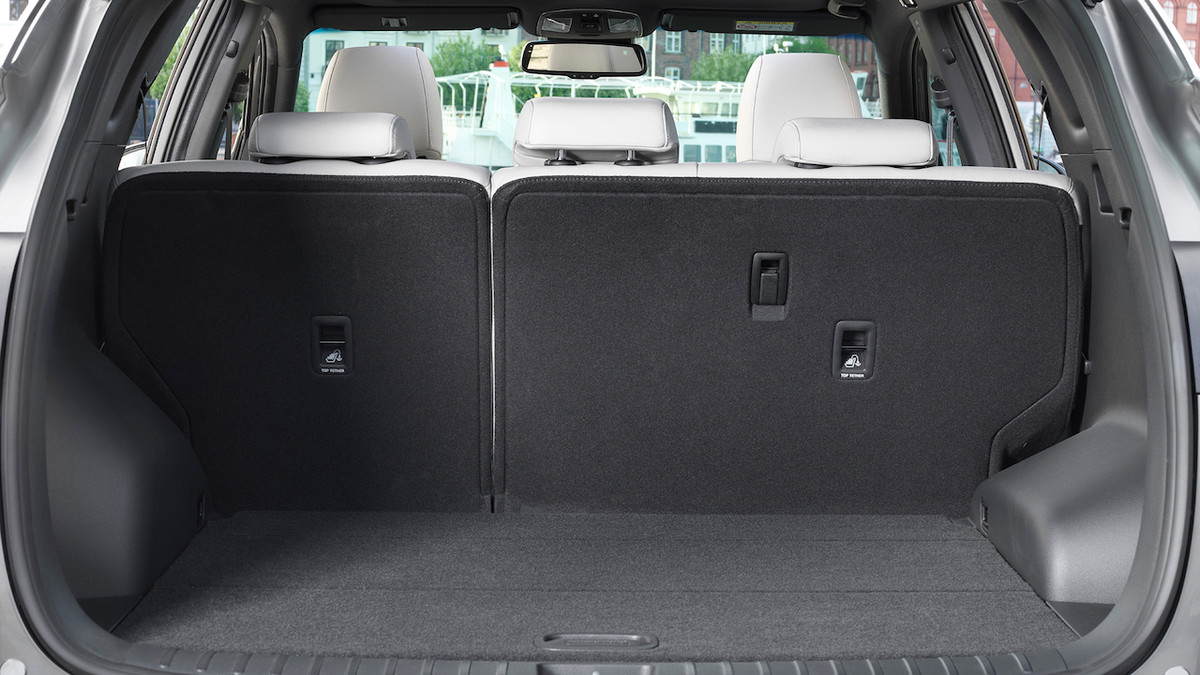
As for visibility, interior room and cargo space, we found the Tucson to be roughly on par with other models in its segment: It's not a standout, but it's far from being the worst in its class.

Article source: https://www.autotrader.com/car-reviews/2017-hyundai-tucson-new-car-review-261605